What influences anchor selection in offshore mooring systems?

Key takeaways
- Anchor selection should be treated as a system-level decision. The best solution balances geotechnical performance, installation efficiency, regulatory requirements, project economics and lifecycle integrity rather than focusing on anchor capacity alone.
- Anchor selection should account for future inspection, maintenance, repair and life-extension requirements. Lifecycle thinking helps ensure the mooring system remains reliable, maintainable and economically viable throughout the field's operational life.
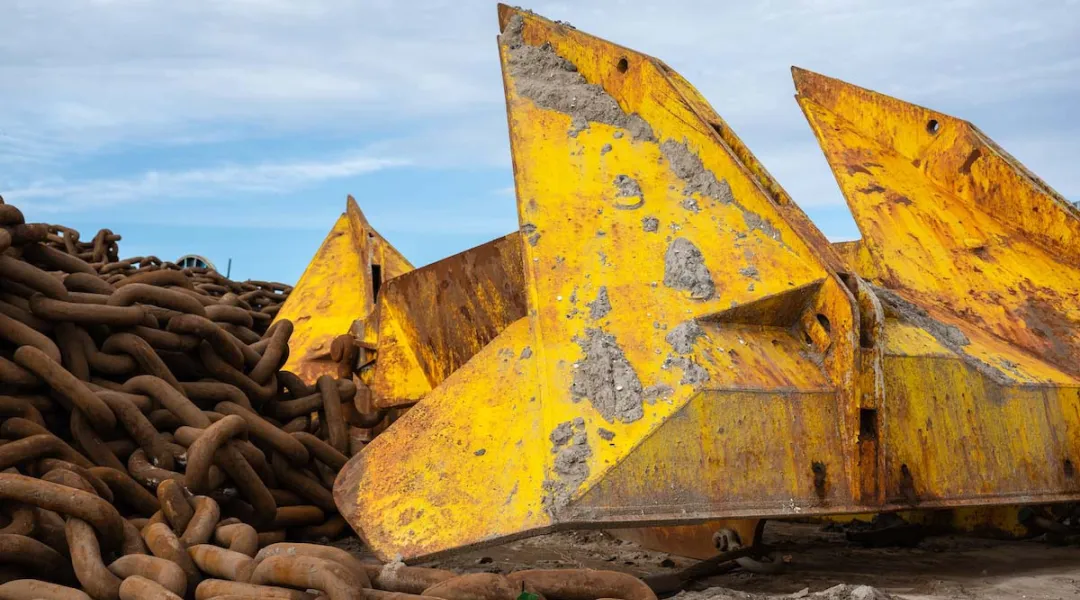
Anchor selection is one of the most important decisions in offshore mooring design. While holding capacity is a fundamental consideration, it is only one part of a much broader engineering challenge. The selected anchor can influence mooring design, installation methodology, project economics, inspection requirements and long-term system performance.
Whether designing a permanent mooring system for a Floating Production Storage and Offloading (FPSO) unit, a semi-submersible production facility or a floating offshore wind project, engineers must balance geotechnical, operational and commercial considerations to identify the most suitable solution. Decisions made during concept selection and Front-End Engineering Design (FEED) can affect the performance and maintainability of a mooring system for decades.
Soil conditions and geotechnical properties
Seabed conditions are often the primary factor influencing anchor selection. Soil strength, layering, composition and long-term behaviour can all determine whether an anchor type is technically viable.
Suction piles, driven piles, drag embedment anchors and plate anchors interact with the seabed in different ways. The challenge is not simply identifying what will work today but understanding how the anchor may behave throughout the life of the asset. Aspects such as long-term sustained loading, cyclic loading, and seabed trenching must be considered.
Emerging sectors such as floating offshore wind add another layer of complexity because of the large geographical areas involved and the variability of seabed conditions across a development site. This reinforces the need for careful geotechnical interpretation and site-specific anchor design.
Load direction and mooring configuration
Anchor selection cannot be separated from the mooring system itself. The magnitude, variation, and direction of loads acting on the anchor are critical considerations.
Some anchor types simply cannot resist vertical loads due to line uplift in semi-taut and taut configurations. Thus, catenary and taut-leg mooring systems typically favour different anchor solutions. Engineers therefore assess anchor capacities alongside line tensions, mooring layouts and expected operational conditions as part of an integrated design process. The objective is not simply to find an anchor with sufficient capacity, but to ensure the entire mooring system functions efficiently under both normal operating conditions and possible weather events.
Regulatory requirements
Regulatory requirements and industry standards also influence anchor design and selection. Mooring systems are typically designed to withstand extreme storm conditions with return periods of 100 years or more. Anchor holding capacity safety margin requirements vary by anchor type. Therefore, it is important to understand how these requirements influence the overall reliability of the mooring system. Furthermore, it is often useful to consider how a given anchor type behaves should an overload condition be experienced.
Installation and project economics
Installation considerations can have a significant influence on anchor selection. Factors such as water depth, vessel availability, installation equipment, weather windows and offshore logistics all affect whether a solution can be delivered efficiently and cost-effectively.
The anchor itself is only one component of the overall project cost. An anchor that appears economical from a procurement perspective may require specialised vessels or a more complex installation campaign, increasing the total installed cost. Conversely, a solution that simplifies offshore execution can create value across the wider project lifecycle.
As a result, anchor selection should consider installation practicality and overall project economics alongside technical performance.
Conclusion
Successful anchor selection requires more than identifying an anchor with sufficient holding capacity. It demands an integrated understanding of how the anchor interacts with the mooring system, the installation campaign and the full lifecycle of the asset. By considering these factors together, operators can improve project outcomes, reduce risk and support long-term mooring system performance.
Anchor selection is not a catalogue choice. Anchor selection is not simply a matter of matching an anchor to a soil type. The chosen solution affects mooring design, installation, vessel requirements, project costs and long-term performance.

Tom Bauer Principle Engineer, Intermoor
FAQs
Drag embedment anchors and suction piles are both widely used in offshore mooring systems, but they are suited to different applications.
Drag embedment anchors are often favoured for their simplicity, proven performance and relatively low cost. They can be an efficient solution for applications where loads are primarily horizontal.
Suction piles can accommodate both lateral and uplift loads. They also provide greater positioning accuracy, which may be important for permanent moorings in congested field developments or where infrastructure constraints exist.
The most appropriate solution depends on factors such as soil conditions, loading requirements, installation methodology and overall project objectives.
Anchor selection should begin during concept development and Front-End Engineering Design (FEED). Early evaluation of anchor options allows engineers to assess soil conditions, mooring loads, installation requirements and project economics before key project decisions are finalised.
Selecting anchors early can help optimise the overall mooring system, reduce execution risk and improve confidence in installation schedules and long-term performance. Late changes to anchor strategy can affect vessel requirements, procurement activities, installation methodology and project costs.
Offshore mooring systems are typically designed in accordance with recognised industry standards and project-specific requirements that consider extreme environmental conditions.
Standards such as DNV-OS-E301 Position Mooring require mooring systems to be assessed using environmental conditions with return periods of up to 100 years, including extreme waves, winds and currents. For example, DNV specifies that 100-year return period sea states should be used when evaluating mooring performance under extreme loading conditions.
As part of the mooring design process, engineers analyse site-specific metocean data and assess how the mooring system will behave during both normal operations and severe environmental events. These assessments help verify that anchors, mooring lines and associated components can maintain station keeping and meet safety requirements during rare but high-consequence storm conditions.
The exact design criteria will vary depending on the asset type, operating region, applicable regulations and project-specific requirements. However, for permanent offshore mooring systems in the oil and gas industry, 100-year storm design conditions are commonly used as a key benchmark for demonstrating system integrity and survival performance.
Our anchor range
Engineered for reliability across a wide range of seabed conditions, our anchor portfolio supports FPSOs, FLNGs, rigs, floating wind and offshore infrastructure with proven solutions for demanding mooring applications. From drag embedment anchors to plate anchors and suction caissons or driven piles, we help you find the fittest mooring solution for your offshore energy project.
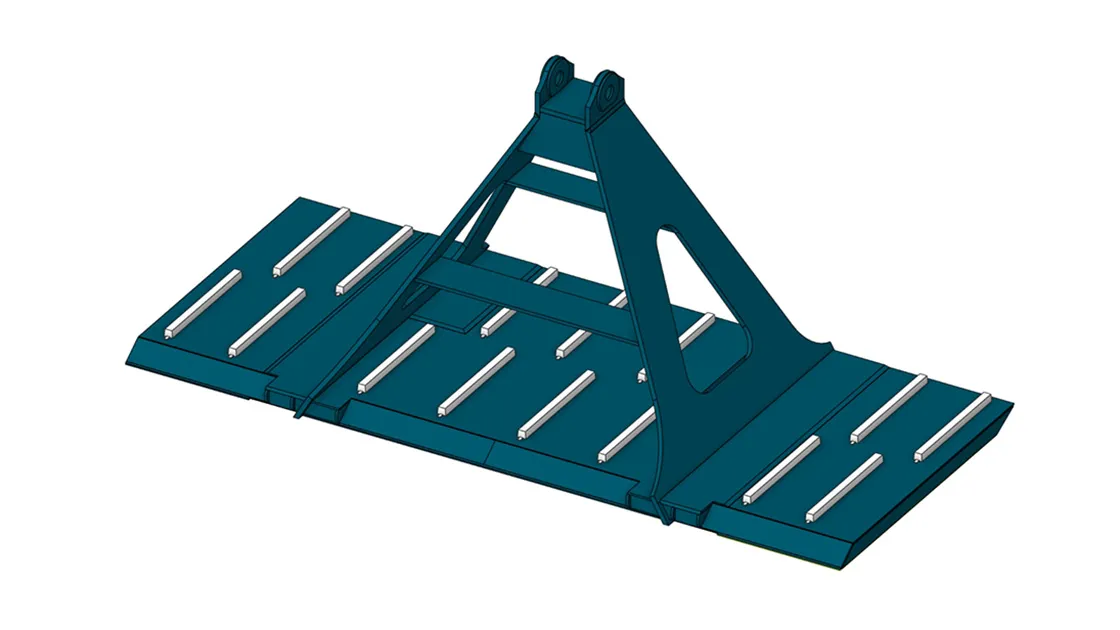
Suction Embedded Plate Anchor (SEPLA™)
Key feature
Combines the unmatched efficiency of plate anchors with a proven track record
Capacity range
Up to 3,000 t or more
Preferred soils
Soft clays
Uplift load capabilities
Up to 90 degrees
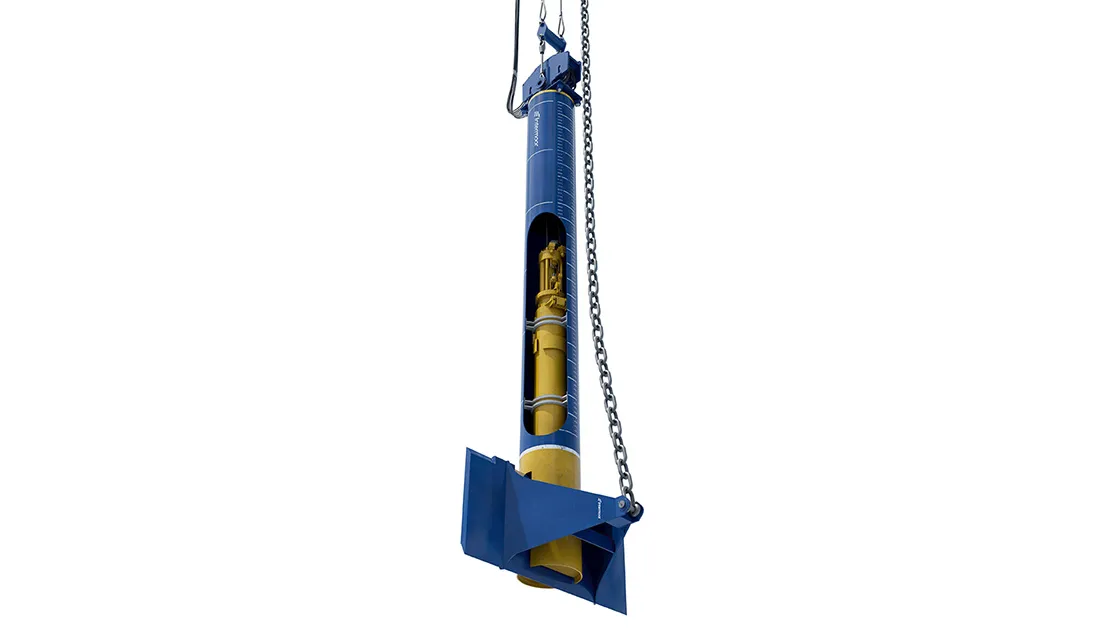
Flexibly Embedded Plate Anchor (FEPLA™)
Key feature
Expands SEPLA efficiency to any soil type
Capacity range
Up to 3,000 t or more
Preferred soils
All soils
Uplift load capabilities
Up to 90 degrees
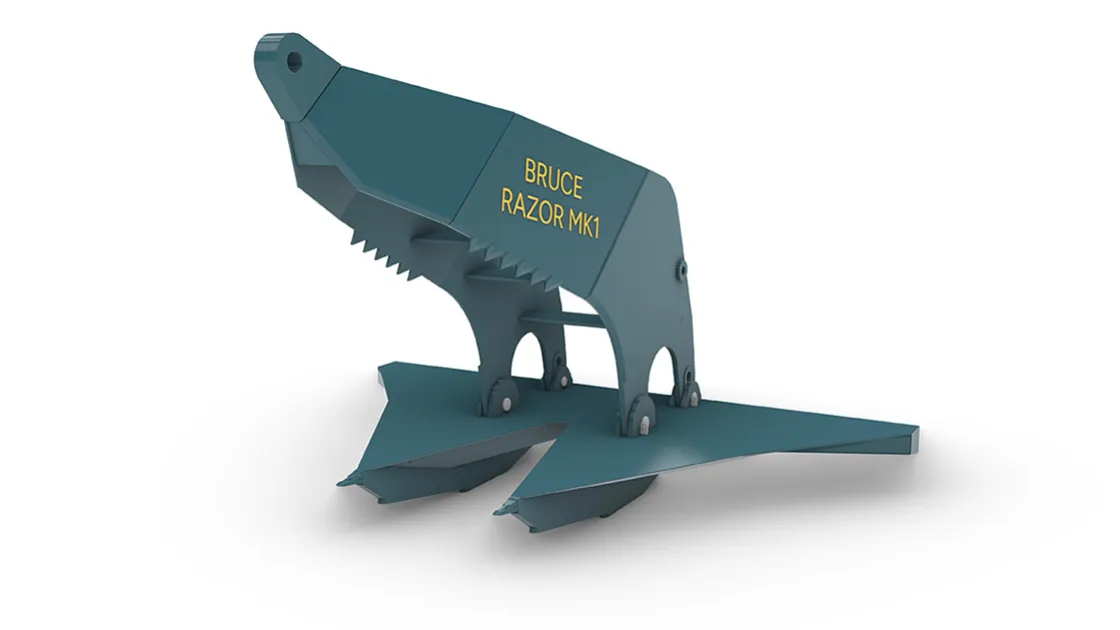
Bruce Razor Hard-Bottom Anchor
Key feature
Unmatched embedment performance in hard bottoms
Capacity range
Up to 2,000 t
Preferred soils
Dense sands, stiff clays, etc.
Uplift load capabilities
Tested up to 30 degrees
Bruce Dennla Vertically Loaded Anchor
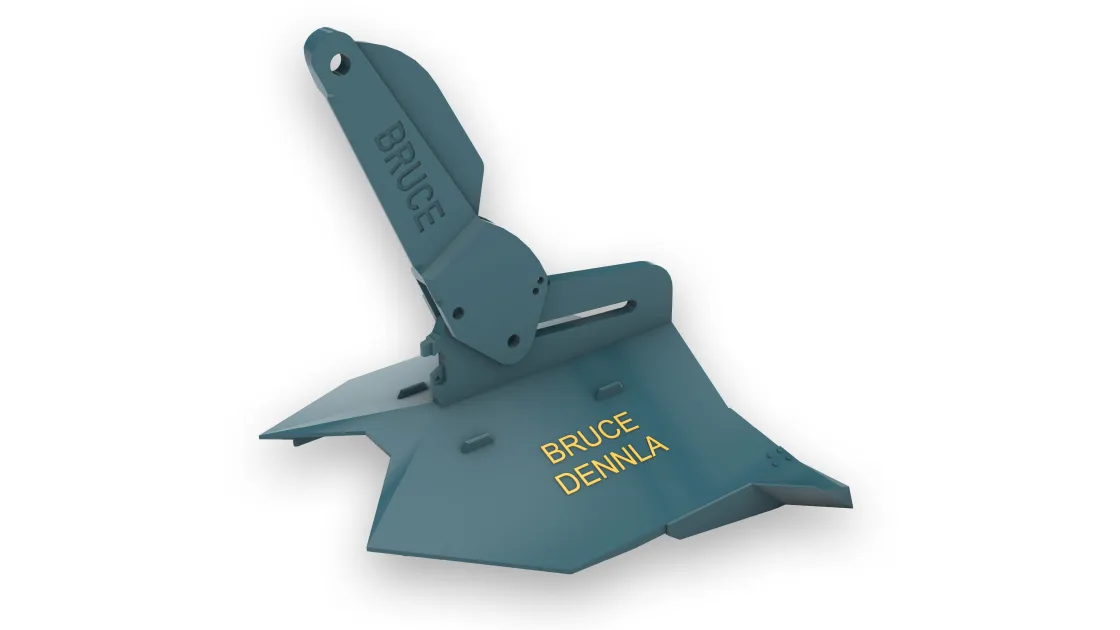
Key feature
The most reliable VLA available today
Capacity range
Up to 2,000 t
Preferred soils
Soft clays
Uplift load capabilities
Up to 60 degrees
Bruce GP High-Capacity Anchor
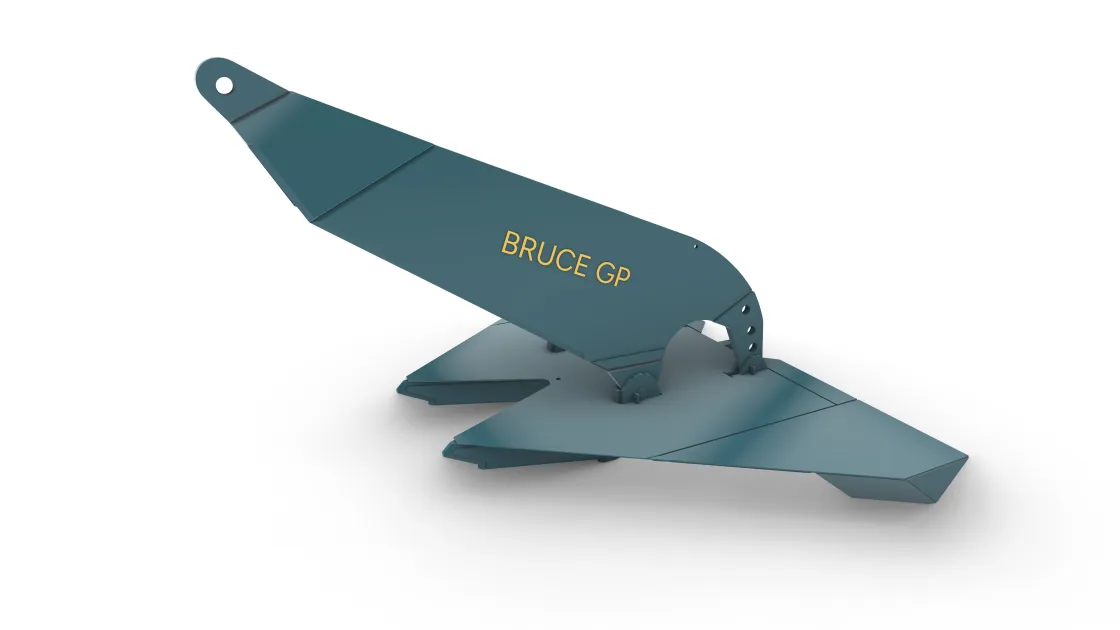
Key feature
The highest capacity to weight ratio available in a drag embedment anchor
Capacity range
Up to 3,000 t
Preferred soils
Sands and clays
Uplift load capabilities
Up to 10 degrees
Bruce FFTS Mk.4 Self-Righting Anchor
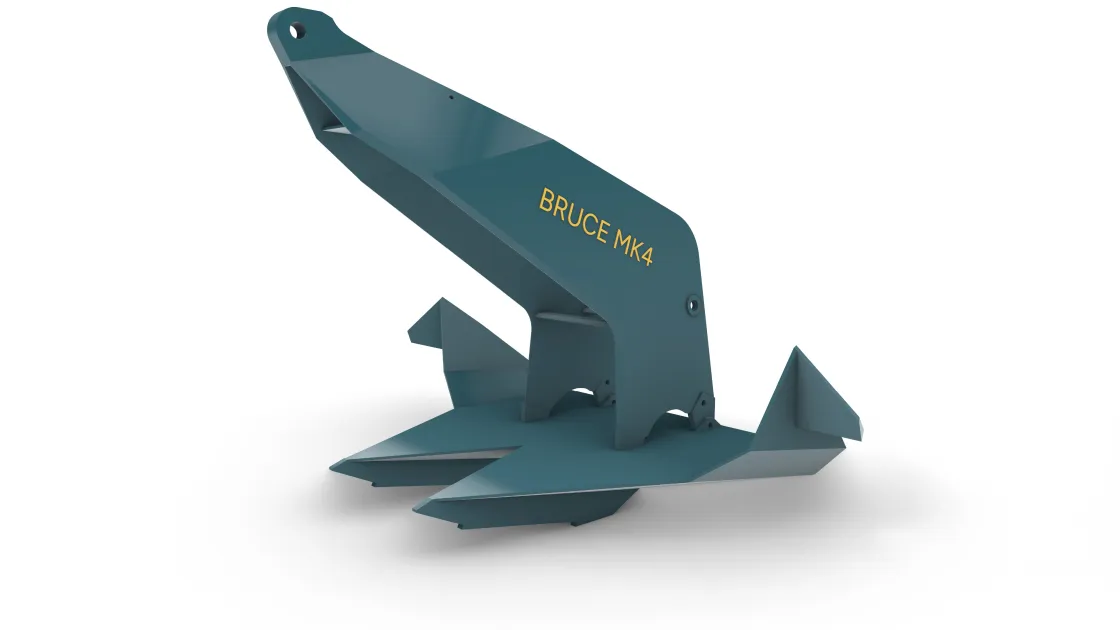
Key feature
The only High Holding Capacity (HHC) anchor certified by DNV as self-righting
Capacity range
Up to 2,000 t
Preferred soils
Sands and clays
Uplift load capabilities
Up to 10 degrees
Bruce Twin Shank Anchor
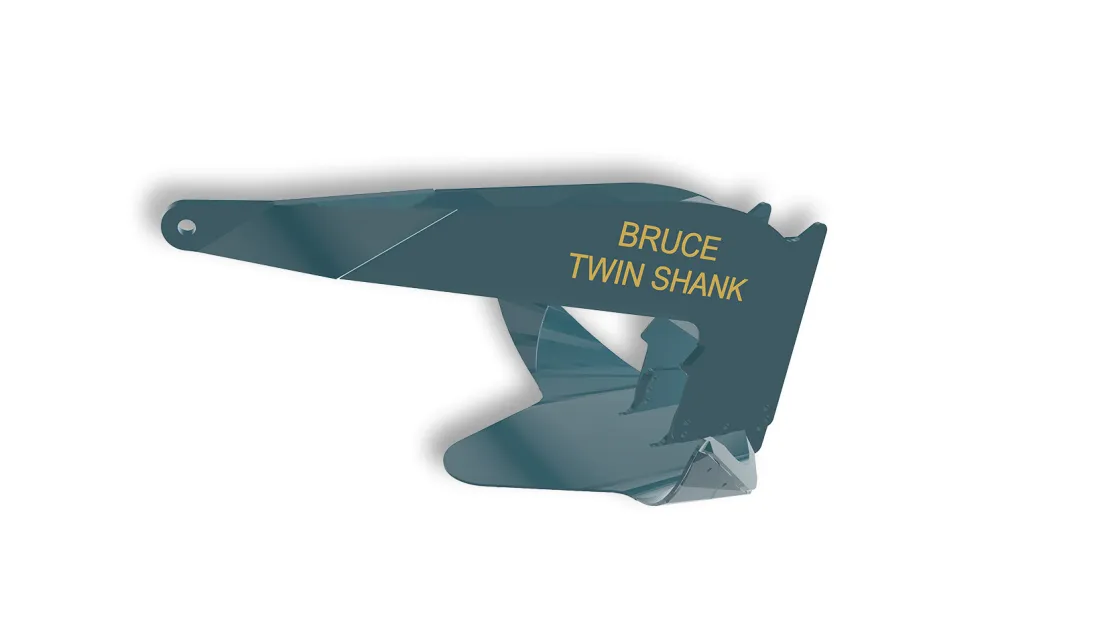
Key feature
Complete self-righting anchor with adjustable fluke angle and 2-part easy shipping
Capacity range
From 112 kg to 18 t
Preferred soils
Sands and clays
Uplift load capabilities
Minimal
Suction Piles
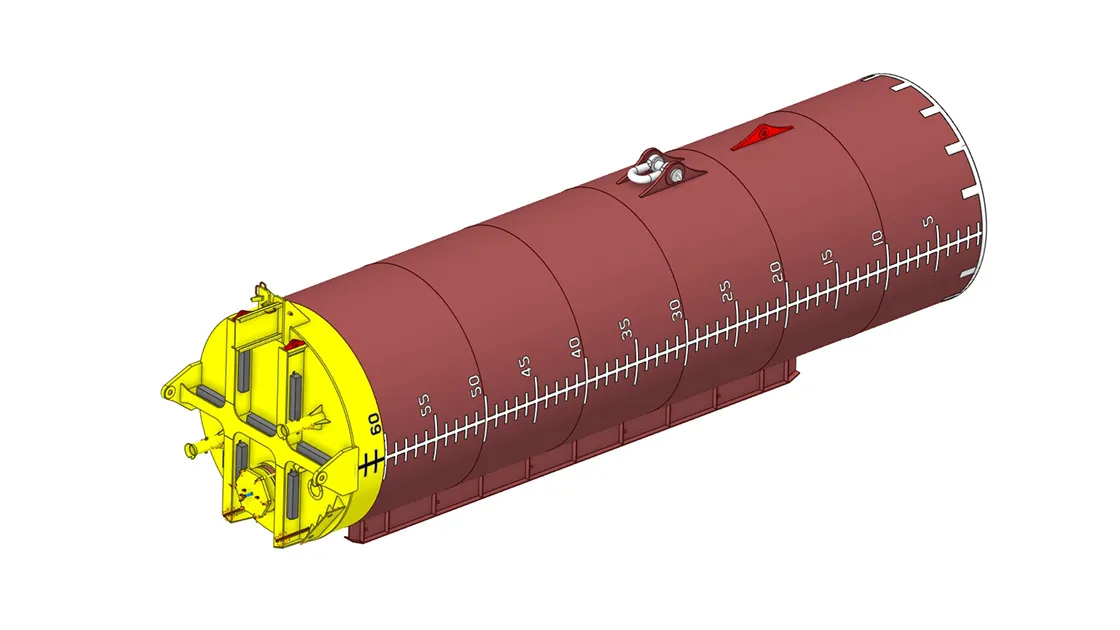
Key feature
Intermoor’s proven integrated design-fabrication process
Capacity range
Up to 3,000 t or more
Preferred soils
Soft clays
Uplift load capabilities
Up to 60 degrees
Driven Piles
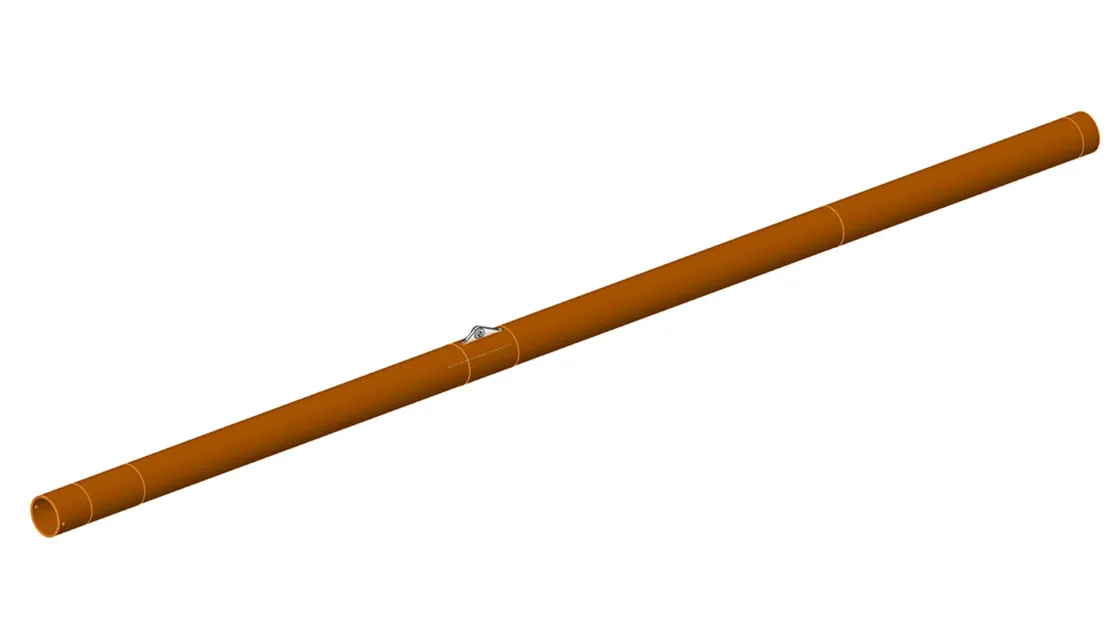
Key feature
Intermoor’s proven integrated design-fabrication process
Capacity range
Up to 3,000 t or more
Preferred soils
Sands and clays
Uplift load capabilities
Up to 90 degrees
Drilled and Grouted Piles
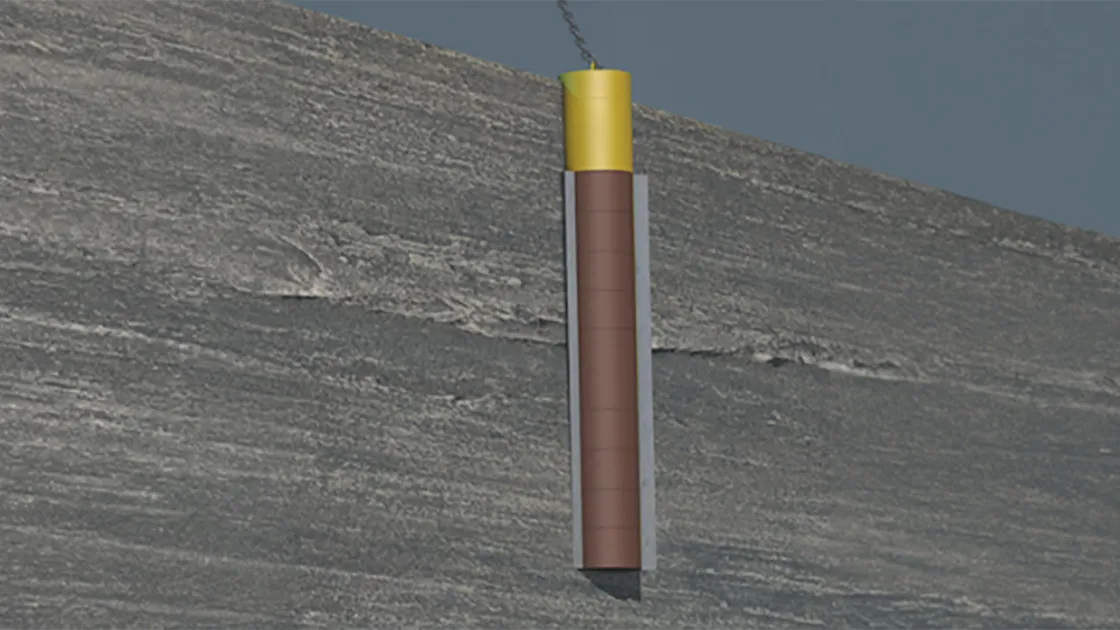
Key feature
Industrial scale holding capacity for rock seabeds
Capacity range
Up to 3,000 t or more
Preferred soils
Rock
Uplift load capabilities
Up to 90 degrees
Related insights
View more insights from our mooring experts.
Blogs
What happens when conventional TT fatigue analysis is no longer enough?
Blogs
Calculate mooring chain weight, break load and proof load
Blogs
Dynamic Positioning vs. thruster-assisted mooring: a comparative assessment of efficiency and cost
Speak to our team
Our team of experts will design a solution that fits the technical, environmental and commercial demands of offshore projects.